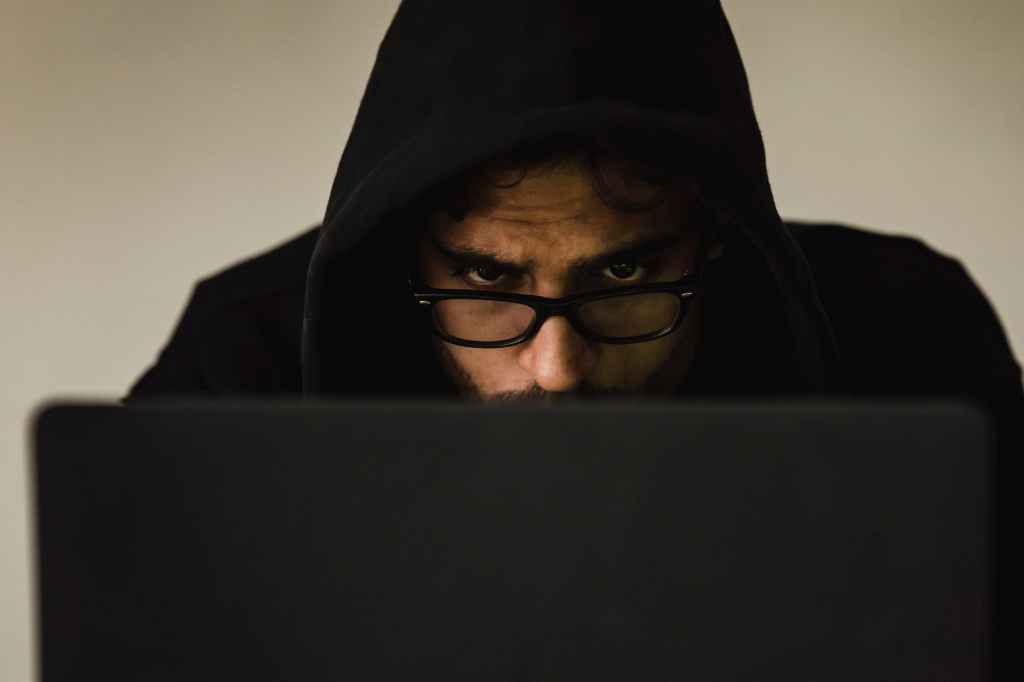
Fasten your seatbelts and start your engines, because what we’ve got here is a high-octane saga that’s part British car heist movie, part cybersecurity thriller. Imagine a world where the cars are data, the thieves are a couple of audacious British teens, and the cops are always two steps behind. Welcome to “Lock, Stock, and Two Smoking Servers,” a tale so audacious it leaves tire marks on reputations and balance sheets alike.
In our opening scene, the young hackers use social engineering as their getaway strategy. They don’t need to crack a safe; they just manipulate the human element. Specifically, they pose as employees who’ve “forgotten” their passwords, bypassing two-factor authentication and other security measures. Try hotwiring a car with just a sweet smile and a convincing story.
Cut to the digital garage, also known as Telegram. Here, encrypted messages fly faster than a Ferrari on an open road. Arion Kurtaj, under the alias @lilyhowarth, coordinates the hacks. They use Telegram’s end-to-end encryption to discuss targets, share hacking tools, and even distribute the stolen data. It’s the digital equivalent of a chop shop where stolen cars get disassembled.
Now, the grand heist. These aren’t small-time crooks; they’re targeting multiple companies across different sectors. They exploit vulnerabilities in Uber’s ride-sharing algorithms, Rockstar’s gaming servers, and even Nvidia’s chip manufacturing databases. It’s like stealing different models of cars, each with its own unique security system, and driving them all out of the lot without triggering a single alarm.
Fast-forward to the courtroom drama. These teens face a 12-count indictment, including charges of blackmail, fraud, and hacking. They’re accused of attempting to sell 74,000 Revolut customer records on the black market, akin to selling stolen car parts. One of them might dodge jail time due to a complex autistic-spectrum disorder, adding a layer of moral complexity to the plot.
The financial toll is staggering. Uber alone reported a loss of around $2.8 million due to the hack. It’s like stealing a fleet of luxury cars and then finding out they’re all leased under your name. The reputational damage is also significant, as these incidents expose vulnerabilities in the security systems of major companies, not just tech firms.
Enter the City of London Police and the FBI, the bumbling cops in this heist movie. They’re using digital forensics to trace back the hacks to a Travelodge in Oxfordshire, England. They’ve even recovered an iPhone 13 Pro Max connected to some of the hacks. They find the stolen cars, but the thieves have already moved on to the next heist.
The plot thickens as the case raises questions about how individuals with neurodevelopmental disorders are treated within the criminal justice system. Almost as if one of your crew members has a compelling backstory, and now you’re questioning the ethics of the whole operation.
The final act reveals the Achilles’ heel: the human element. No matter how advanced the security systems are—be it firewalls, intrusion detection systems, or multi-factor authentication—if the employees are not trained to recognize social engineering attacks, the whole system is vulnerable. You may have a state-of-the-art car lock but leaving the keys in the ignition doesn’t get it done .
So, what’s the takeaway from this high-octane, technically detailed tale? Companies across all sectors need to focus on both machine and human elements in their security protocols. As for our British stars, their story is far from over, and the world will be watching closely for lessons that can be learned to prevent similar attacks in the future. Keep an eye on your rearview mirror, because this story is far from over.
Mindhunterai out.
 Cyber Roadmap
Nice post.I subscribed. Have a nice day🍀☘️💝
LikeLike